Am I Going Bald? Understanding Changes in Your Hair
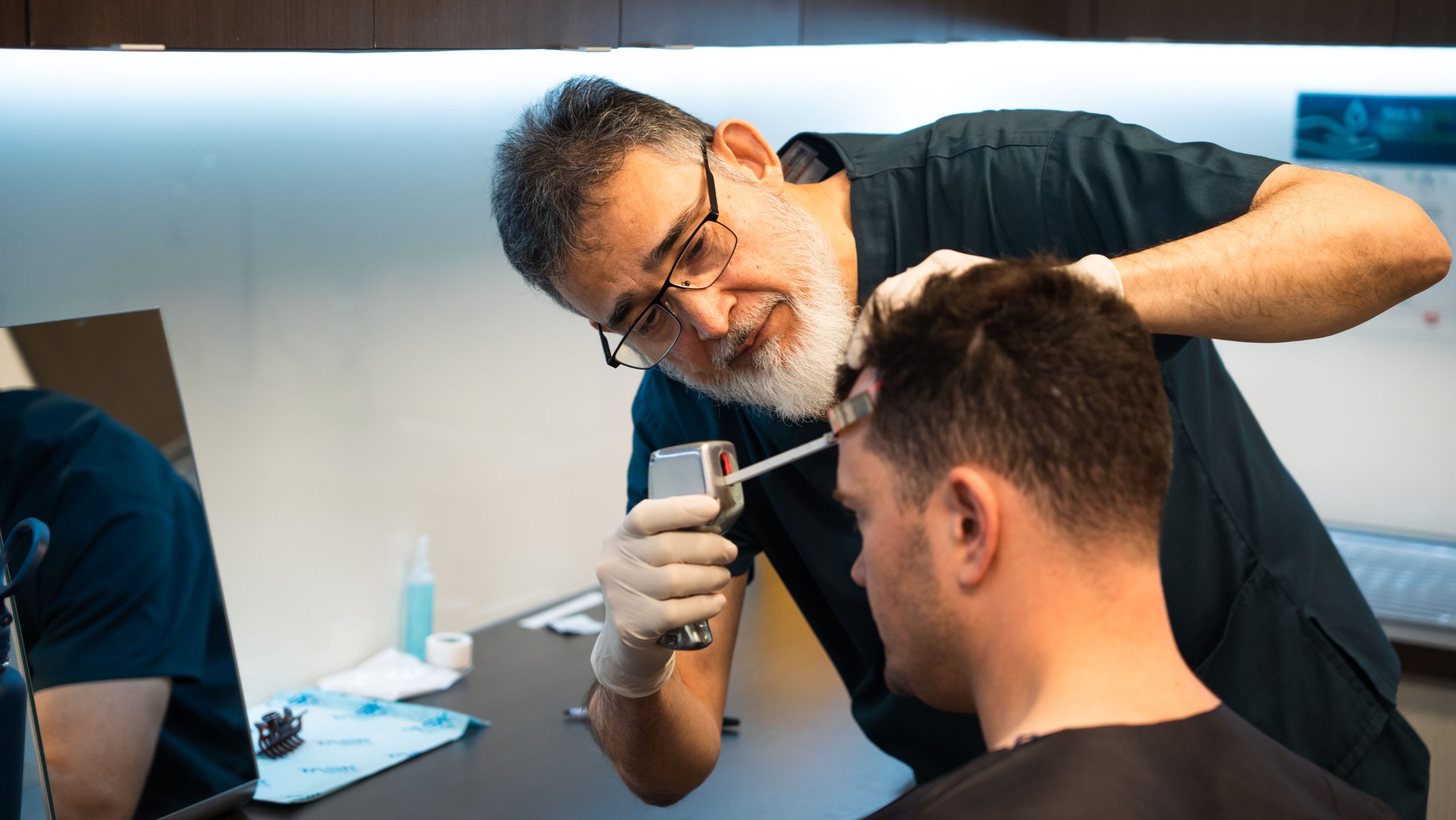
Perhaps your hairline looks different in photographs, your crown seems thinner or you’re noticing more hair when you wash it. These changes can leave you wondering: “Am I going bald?”
Changes in your hair don’t automatically mean permanent baldness. Hair loss has different causes, and understanding what is happening is the first step towards deciding whether you need advice or treatment.
What changes might you notice?
Hair loss can appear gradually or suddenly. Changes may include:
A hairline that is moving back, particularly around the temples.
Thinning on the top of the head or around the crown.
A widening part.
Reduced overall hair density.
Patches where hair is missing.
These signs can occur with different conditions. Their appearance alone cannot confirm the cause or predict how your hair will change in the future.
Does shedding mean you’re going bald?
Finding hair in your brush or shower is not necessarily a sign of balding. Some shedding is part of the normal hair growth cycle.
Increased shedding can also happen after events such as illness, significant stress or childbirth. In some cases, this is temporary. However, shedding and other forms of hair loss can occur together, so a noticeable change is worth discussing with a doctor rather than diagnosing yourself.
The useful question is whether your shedding or hair density has changed from what is usual for you.
What is pattern hair loss?
Hereditary pattern hair loss, also called androgenetic alopecia, is a common cause of gradual thinning.
In men, it often affects the hairline and top of the head. In women, it commonly appears as thinning through the central scalp or a widening part.
A family history can be relevant, but your relatives’ hair does not tell you exactly what will happen to yours. Your own pattern and progression need to be assessed.
How can you keep track of changes?
If you’re unsure whether your hair is changing, a few simple notes can help you explain your concerns during a consultation.
Write down when you first noticed the difference, which areas are affected and whether you have any scalp symptoms. Include recent health changes and any medications, supplements or hair loss products you use.
Occasional photographs taken from the same angles in similar lighting may also help document changes. Avoid drawing conclusions from a single image – wet hair, styling and lighting can make your scalp look more visible.
When should you seek medical advice?
Arrange an assessment if you’re concerned about ongoing thinning or increased shedding.
Seek prompt medical advice if hair loss is sudden or patchy, or if you notice scalp pain, redness, scaling or irritation. These changes may need investigation rather than being assumed to be hereditary balding.
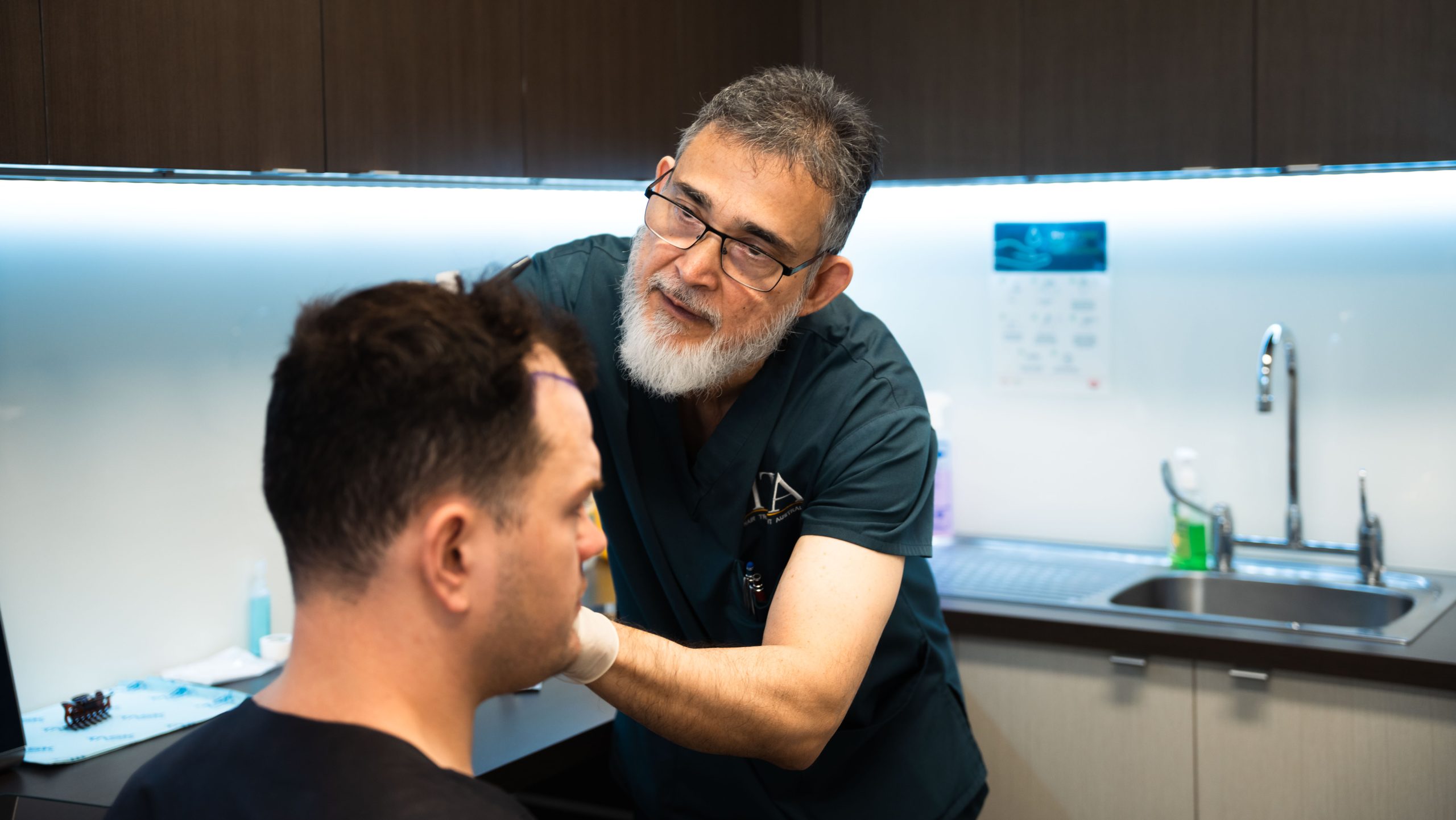
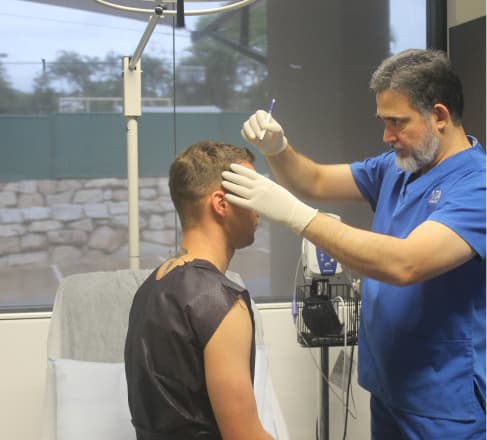
A doctor can review your history, examine your scalp and determine whether further tests or a referral are appropriate.
Does balding mean you need a hair transplant?
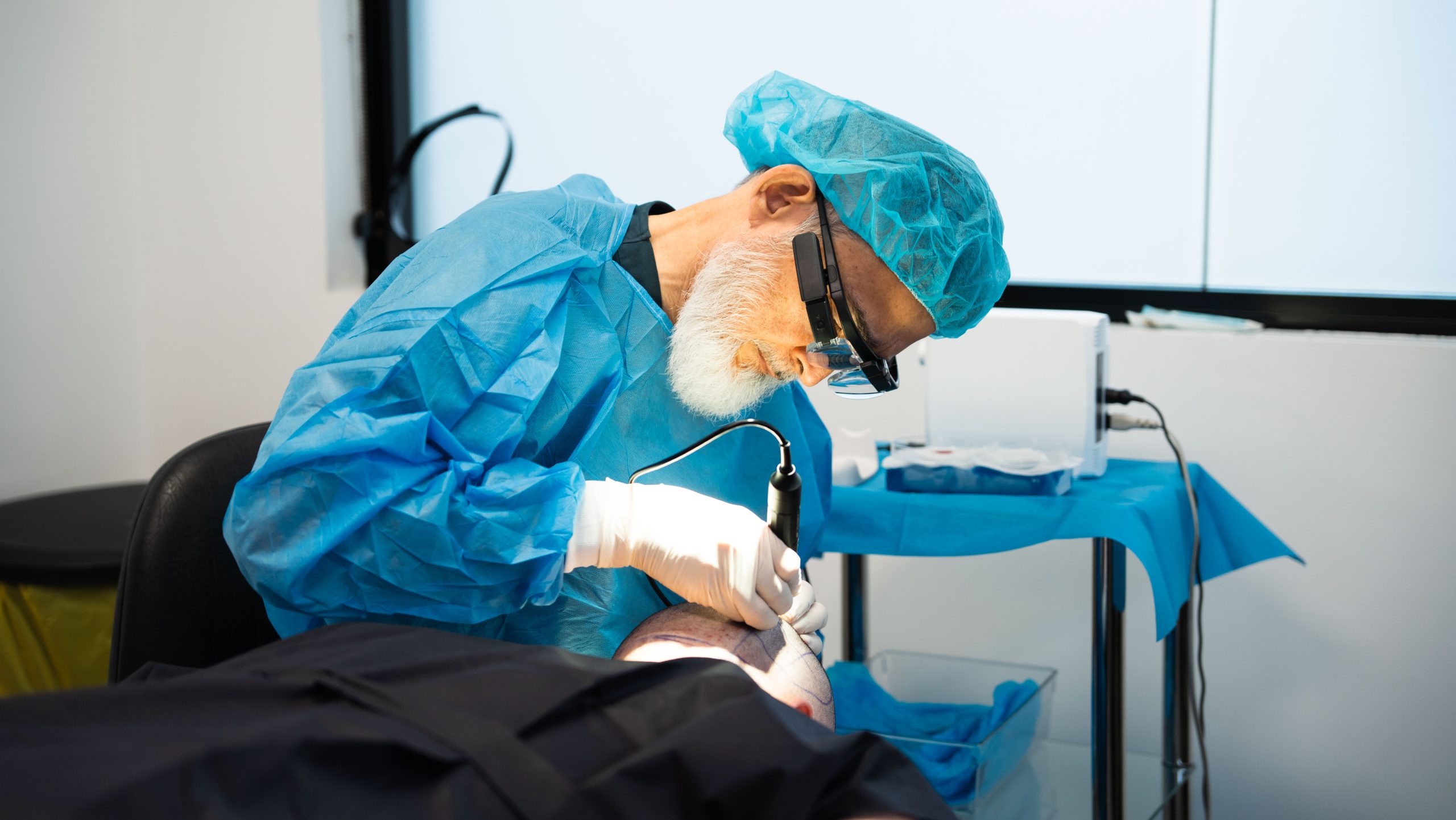
No. A hair transplant is one possible option for selected individuals, and it is not suitable for every type of hair loss.
Depending on the cause and your circumstances, advice may involve non-surgical treatment, monitoring or further assessment. Choosing not to pursue treatment is also an option.
Transplant suitability depends on factors including healthy donor hair and the condition of the area receiving it. An individual assessment is needed before surgery can be recommended.
Start by understanding what’s happening
You don’t need to know whether you’re “going bald” before asking for advice. A consultation can help clarify the changes you’ve noticed and the options, if any, that may be appropriate.
To discuss your hair loss concerns, contact Hair Transplant Australia to arrange a consultation.
This article provides general information and does not replace individual medical advice.