FUE Hair Transplant Brisbane: Understanding the Procedure and Your Options
If you’re researching an FUE hair transplant in Brisbane, you may be wondering how the procedure works, whether it is suitable for you and what recovery involves.
FUE is a method used in hair transplant surgery. It may be an option for selected people experiencing hair loss, but an individual medical assessment is needed before deciding whether to proceed.
This guide explains the essentials and the questions worth asking during a consultation.
What is an FUE hair transplant?
FUE is commonly called Follicular Unit Extraction, although the surgical term is Follicular Unit Excision.
The technique involves removing individual follicular units – small, natural groups of hairs – from a donor area, usually at the back or sides of the scalp. These are then transplanted into areas affected by hair loss.
FUE moves existing follicles rather than creating new ones, making careful management of the donor area important.
How does the procedure work?
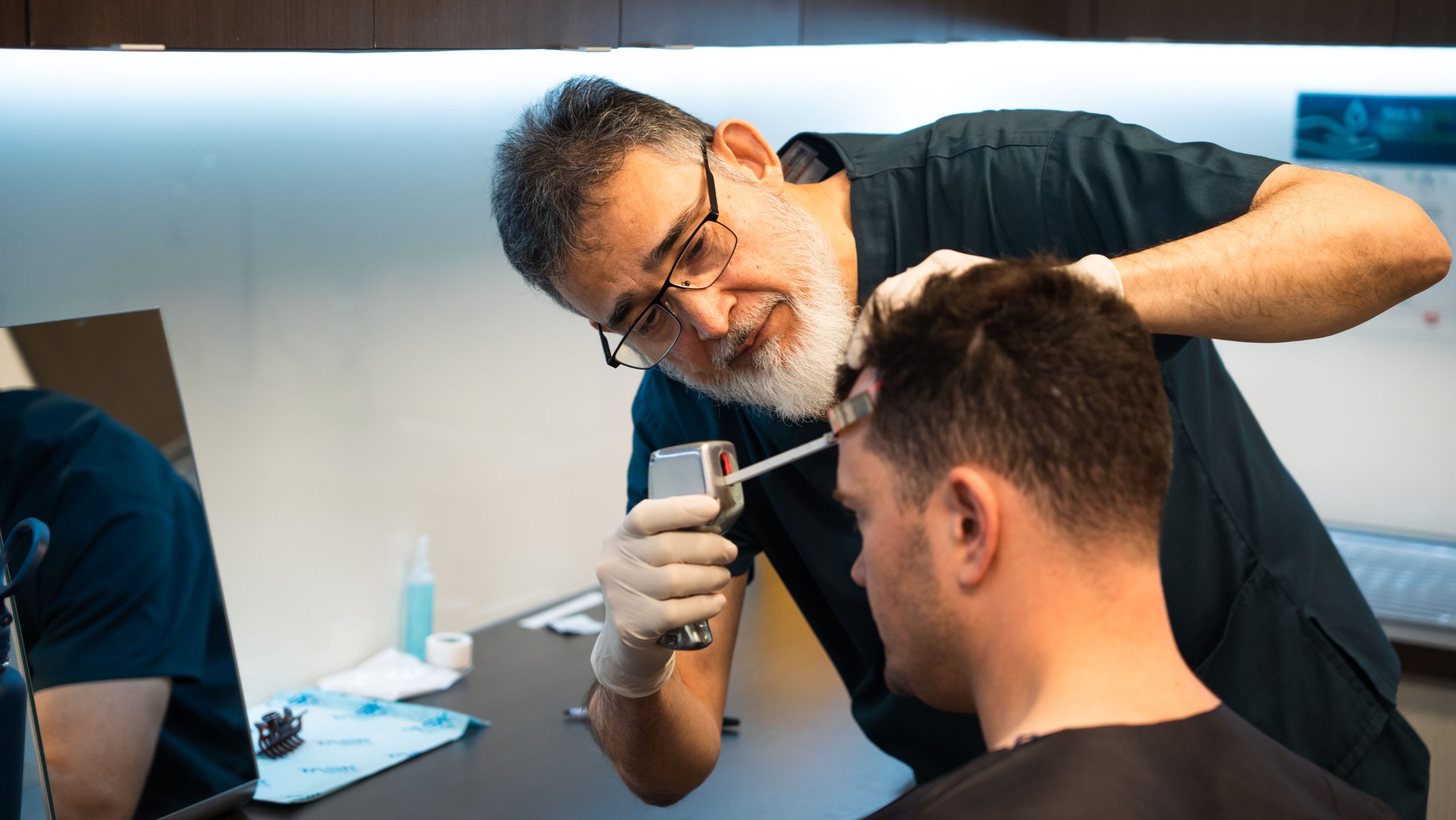
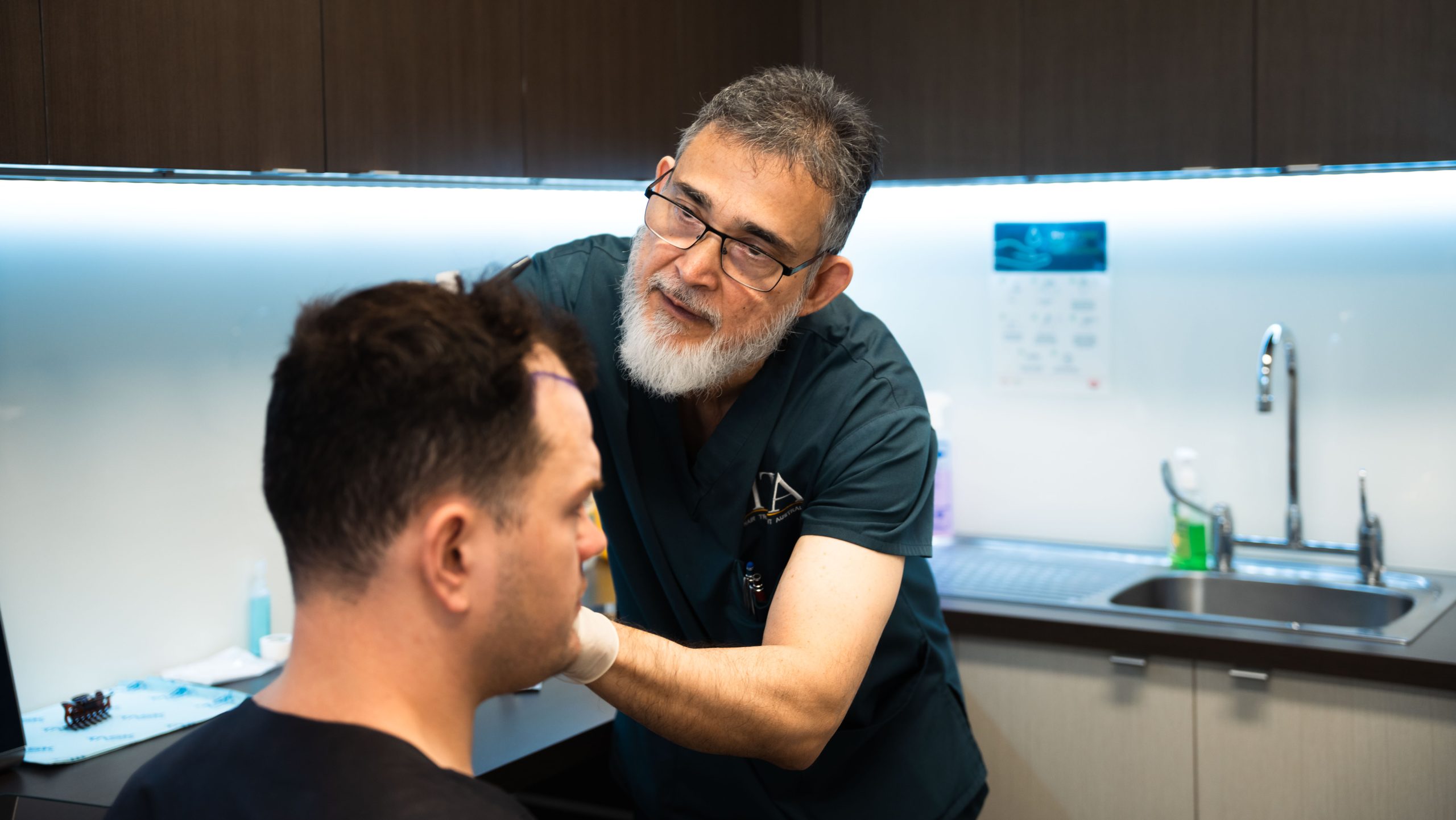
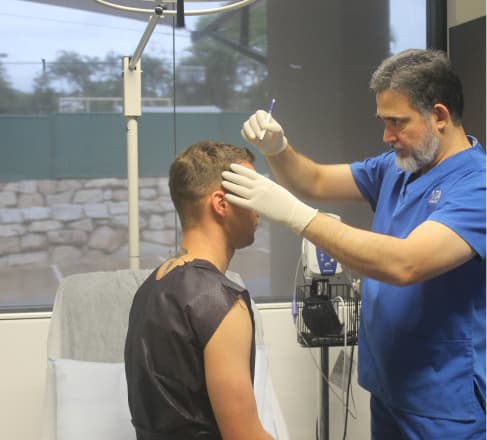
The treatment plan is developed following an assessment of your hair loss, donor hair and goals.
The main components generally include:
Planning the donor and treatment areas.
Administering anaesthetic.
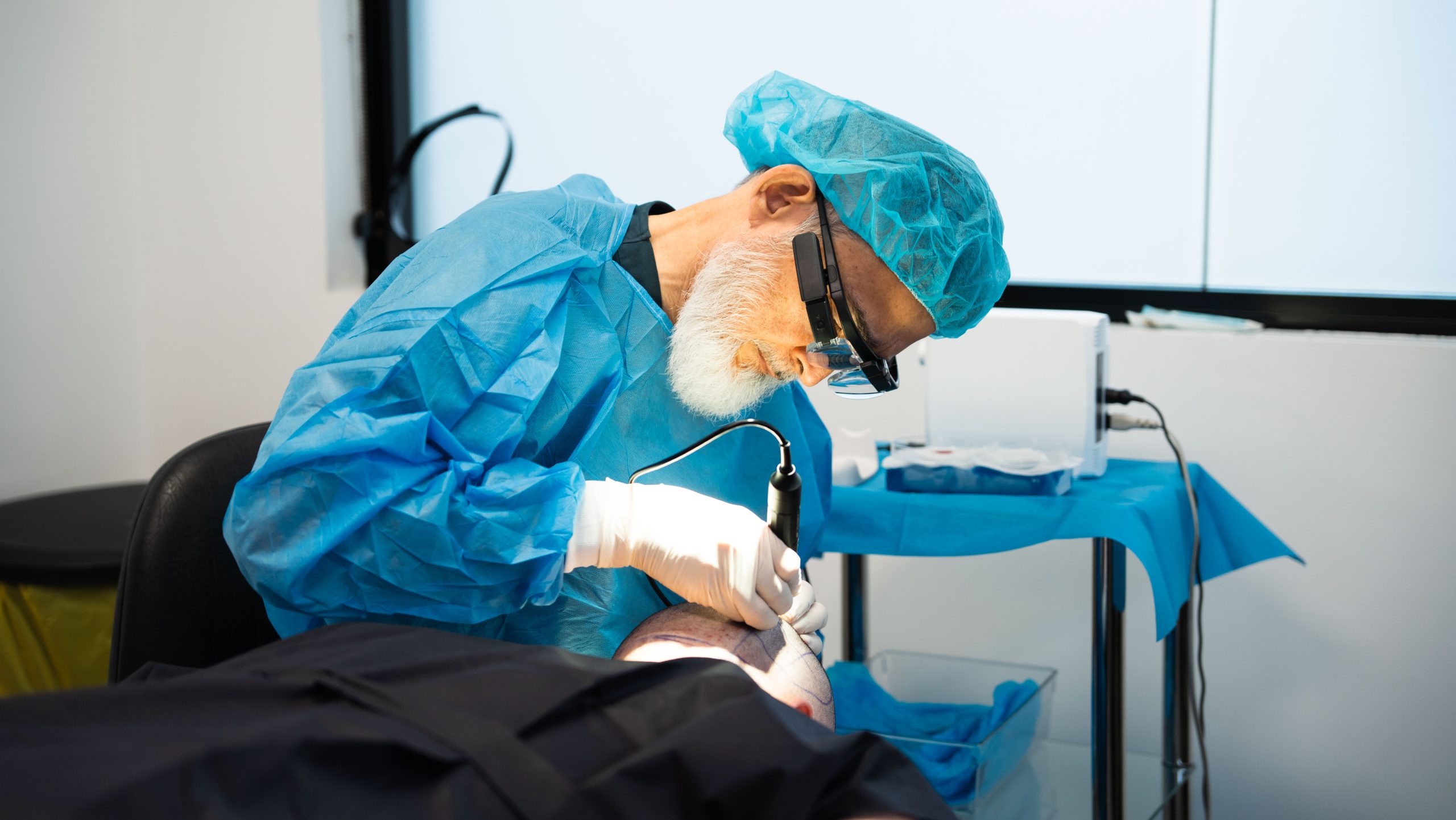
Removing individual follicular units using small surgical punches.
Preparing recipient sites and placing the grafts.
Providing aftercare instructions.
The sequence and details vary between clinicians and individual treatment plans. Your doctor should explain the proposed procedure before you consent.
Who may be suitable for FUE?
An FUE hair transplant is not appropriate for everyone.
Your doctor will consider the cause and progression of your hair loss, the availability of healthy donor hair, your scalp condition and your general health. Your expectations and potential future hair loss also matter when planning treatment.
Some people may be advised to consider another approach or delay surgery. An assessment should explore the options appropriate to your circumstances.
Does FUE leave scars?
FUE does not involve removing a strip of scalp, but it is not a scar-free procedure.
Small scars can remain where follicles have been removed. Their visibility varies. Removing too many follicles can also affect the appearance of the donor area, which is why donor planning is an important part of treatment.
What should you know about recovery and risks?
You may experience scalp tenderness, swelling and temporary scabbing after a hair transplant. You will need to follow instructions about washing, protecting the grafts and returning to work or exercise.
Potential risks include bleeding, infection, a reaction to anaesthetic, noticeable scarring and failure of transplanted hair to grow. Your doctor should explain these risks and how complications would be managed.
Recovery advice should be tailored to your procedure and circumstances rather than based on a general online timeline.
What should you ask about an FUE hair transplant in Brisbane?
When comparing clinics, look beyond the procedure name or advertised price. Ask questions that help you understand the assessment, treatment and ongoing care:
Who will assess me and perform each stage of the procedure?
Why is FUE being recommended in my circumstances?
What are the potential risks and limitations?
How will my donor hair be managed?
What recovery arrangements should I make?
What follow-up care is included?
Who should I contact if I have concerns after treatment?
Request a written quote explaining what is included and any potential additional costs. Take time to consider the information before making a decision.
Discuss your options with Hair Transplant Australia
Hair Transplant Australia offers a doctor-led approach with Dr Alam. A consultation provides an opportunity to discuss your concerns, ask questions and explore whether hair transplantation may be appropriate.
If you’re considering an FUE hair transplant in Brisbane, contact Hair Transplant Australia to arrange a consultation.
This article provides general information and does not replace individual medical advice.